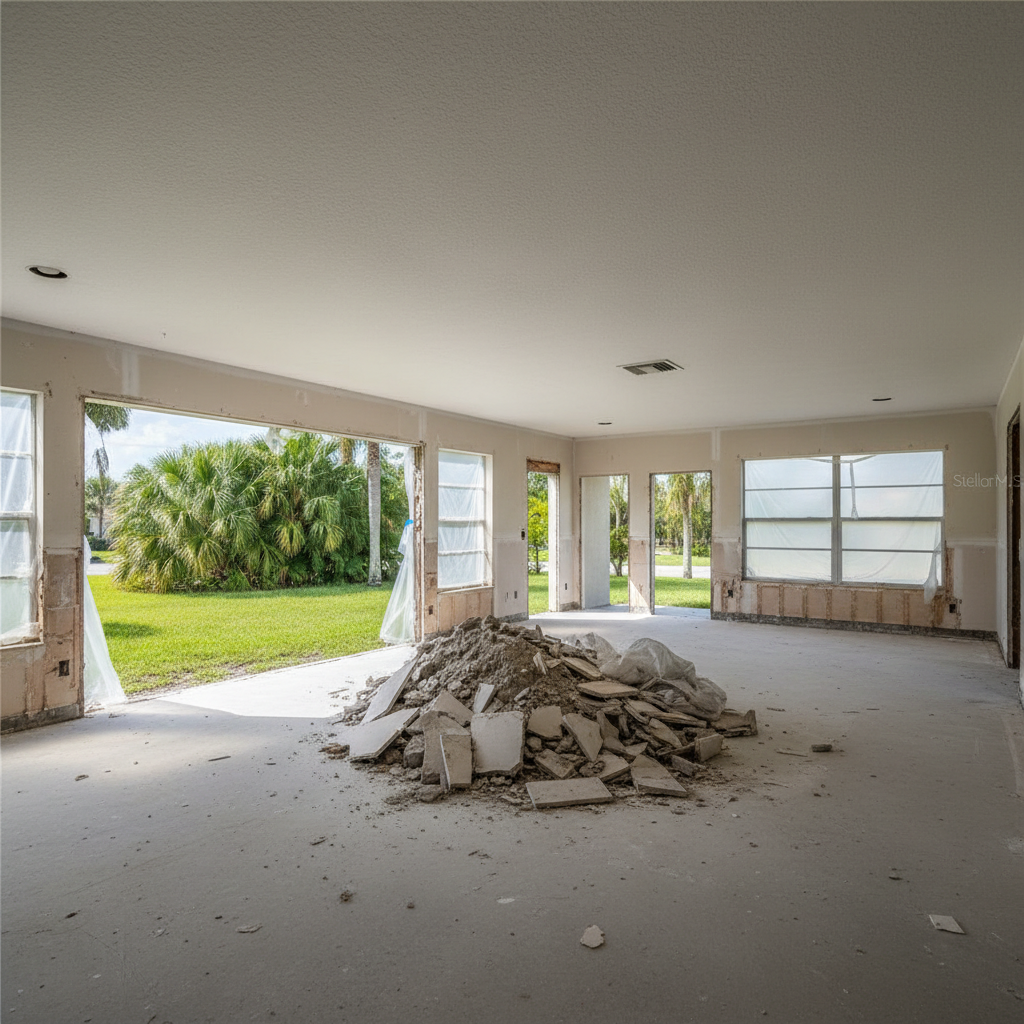
So, you're thinking about ripping out that old kitchen, gutting a bathroom, or maybe changing up some interior walls in your Cape Coral home? That's exciting! But before you grab a sledgehammer (or even call us), let's chat about something super important that a lot of folks miss: our unique Southwest Florida climate and how it really affects interior demolition.
When's the Best Time for Interior Demolition?
Honestly, there isn't one single "perfect" time for every project. But I can definitely tell you what I've seen work best, and what you should probably watch out for. For interior jobs, you're mainly worried about humidity, heat, and rain, even though the work is happening inside. Why? Because the moment we start opening up walls, floors, or ceilings, your home's inside environment changes big time.
- The Dry Season (roughly October to May): This is usually your best bet, hands down. The air feels drier, temperatures are more comfortable, and you're not dealing with those daily afternoon downpours. Less humidity means less chance of moisture problems when things are exposed. If you're planning to rebuild right away or do a lot of drywall work, this season really helps with drying times. Plus, it keeps mold spores from settling into newly exposed areas. Think about those beautiful, breezy days we get here – perfect for keeping windows open and air moving.
- The Wet Season (June to September): Ah, our rainy season. And wow, does it get humid! You can still get interior demolition done, but you'll need to be extra, extra careful. If we're opening up exterior walls or taking out windows, you absolutely need a solid plan for temporary weatherproofing. Sudden thunderstorms can pop up out of nowhere, and you certainly don't want water getting into your exposed structure. The high humidity also means everything takes longer to dry, which can be a real headache if you're trying to get new materials in fast.
How Weather Conditions Affect the Work
It's not just about keeping our crew comfortable, though that's certainly part of it. The weather directly impacts the demolition process itself and everything that comes after.
- Humidity and Moisture: This is the big one for Cape Coral, no doubt. When we rip out old drywall, cabinets, or flooring, we're exposing the very bones of your house. If it's super humid, that exposed wood framing, concrete, or insulation can just soak up moisture. This isn't only about mold, you know; it can also affect how new materials stick or settle. For example, if you're putting in new flooring, you want that subfloor as dry as possible. We've seen homes, especially those built closer to the canals or in low-lying spots like some parts of the Yacht Club neighborhood, where managing moisture is a constant battle.
- Rain: Even for interior work, rain is a concern. If we're tearing down a wall connected to the outside, or if we need to pull out windows or doors for access or replacement, heavy rain can delay the job. Or, even worse, it can cause water to get inside. We always put up temporary barriers and tarps, but Mother Nature, she's unpredictable. That's why scheduling during the drier months just makes everyone feel a bit better.
- Heat: While it doesn't impact the structure itself as much during an interior demo, extreme heat can definitely slow down our crew and stretch out the timeline. We're working hard, and high temperatures mean more breaks, more water, and a slower pace for everyone's safety.
Protecting Your Investment Year-Round
No matter when you schedule your interior demolition, there are steps you and your contractor should take to keep your home safe.
- Communication is Key: Chat with your contractor about their plan for weatherproofing, dust control, and getting rid of debris. Here at Paradise Demolition, we always talk about these things upfront, so you know exactly what to expect.
- Temporary Barriers: We use plastic sheeting, zip walls, and other barriers. These help contain dust and debris, but they also create a temporary climate zone. This keeps the rest of your house cleaner and protects it from the elements if we're opening things up.
- Ventilation: Good airflow is super important. Opening windows (when it's not raining or crazy humid, of course) and using fans can really help dry out exposed areas and clear the air.
- Debris Removal: Don't let demolished materials just sit around. They can trap moisture and become a breeding ground for pests or mold. We make sure to get rid of debris quickly and efficiently.
- Post-Demolition Drying: If there's any worry about moisture, especially after removing water-damaged stuff, think about using dehumidifiers or professional drying equipment before new construction starts. It's a small extra step that can save you huge headaches down the road.
Ultimately, a successful interior demolition project here in Cape Coral means thinking ahead about our climate. It's not just about tearing things down; it's about setting up your home for a healthy, dry rebuild. Give us a call at Paradise Demolition when you're ready to talk through your project. We're here to help you get it done right, whatever the season.