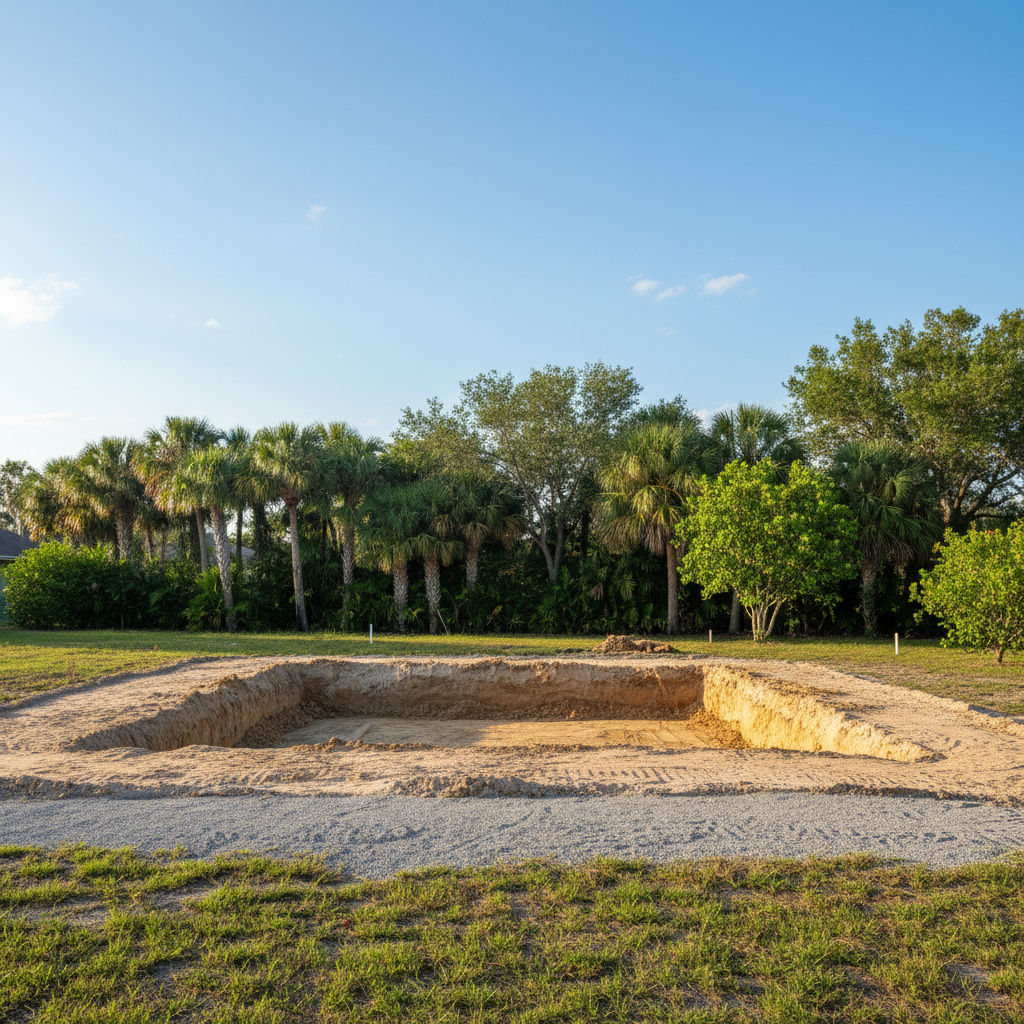
Don't Get Scammed: How to Vet Your Demolition Contractor
You've got a project brewing, right? Maybe it's that old shed that's seen better days, or you're finally tearing down an outdated lanai to make room for something new. Whatever it is, you're going to need a demolition contractor. But how do you pick one that's actually, well, *good*? I've been in this business a long time here in Cape Coral, and I've watched plenty of folks get burned by hiring the wrong crew. Let's talk about what you need to do to protect yourself, shall we?
What Questions Should You Be Asking?
When someone shows up to give you a quote, please don't just stand there nodding along. You've got to hit them with the tough questions. It's your property and your hard-earned money, after all. Here's what I'd personally want to know:
- Are you licensed and insured for demolition work in Florida? Can I actually see proof?
- What kind of experience do you have with this specific type of demolition? Have you done similar projects right here in Cape Coral?
- How do you handle permits? Is that cost baked into the quote, or do I need to pull them myself?
- What's your plan for getting rid of the debris? Where does it all go?
- What's the estimated timeline for the project, from the very start to the finish line?
- What safety measures do you put in place while you're on site?
- What's your policy on unexpected issues? What if you guys hit an old septic tank or a buried utility line?
- Can you give me references from some recent clients?
A good contractor won't bat an eye at answering these. If they get shifty or try to brush you off, that's a huge red flag waving right in front of you.
Decoding the Demolition Quote
You'll probably get a few quotes, I'm sure. Don't just stare at the bottom line number. You really need to understand what you're paying for. A good, detailed quote should break down all the costs, not just say "Demolition: $X." That's just not helpful. Here's what you want to see:
- Scope of Work: This should clearly spell out exactly what's being torn down, what's staying put, and any specific instructions you've given them.
- Permit Costs: Are these included? If not, who's actually responsible for getting them?
- Labor: How many crew members will be on site, and for how many days?
- Equipment Rental: Excavators, bobcats, dump trucks – these things aren't cheap, you know.
- Debris Removal & Disposal: This is a big one. It covers hauling costs and landfill fees. Make sure they specify proper disposal, especially for stuff like concrete or treated wood.
- Site Cleanup: What level of cleanup is included once the demolition is finished? Do they rake, sweep, or just haul away the big pieces?
- Contingency: Sometimes a small percentage is added for unexpected problems. That's not always a bad thing, as long as it's reasonable and they explain it to you.
If a quote is super vague or way lower than everyone else's, be suspicious. You usually get what you pay for, and cutting corners on demolition can cause major headaches later on.
Red Flags to Watch Out For
I've seen some real characters in this business over the years. Here are some things that should make you hit the brakes, fast:
- No License or Insurance: This is non-negotiable. If they can't show you current proof, just walk away. You're opening yourself up to massive liability if someone gets hurt on your property or damages something.
- Cash-Only Deals: While some tiny jobs might be cash, for anything significant, this is a huge red flag. It often means they're trying to dodge taxes, and if they're doing that, what else are they cutting corners on?
- High-Pressure Sales: "Sign today or the price goes up!" or "I've got an opening next week, but it'll be gone fast!" Good contractors are busy, sure, but they won't strong-arm you.
- Out-of-State Plates/No Local Presence: It's not always a deal-breaker, but if they're not local, they might not understand Cape Coral's specific permitting quirks or typical soil conditions, which can affect foundation work later.
- No Written Contract: Everything needs to be in writing. Period.
- Requiring Full Payment Upfront: A reasonable down payment (usually 10-30%) is normal, but never pay the full amount before any work even starts.
Verifying Legitimacy: Do Your Homework
So, you've got a few names, you've asked your questions, and you've got some quotes. Now it's time to verify. This is where you become a detective, like it or not:
- Check Their License: Head over to the Florida Department of Business and Professional Regulation (DBPR) website. You can search by license number or company name. Make sure it's active and covers the right type of work.
- Verify Insurance: Ask their insurance company for a Certificate of Insurance (COI) that specifically names you as an additional insured for the project. This protects you if there's an accident.
- Look at Online Reviews: Google, Yelp, Facebook – see what other people are saying. Don't just glance at the star rating; read the actual comments. How do they handle complaints?
- Call References: If they give you references, call them! Ask if the project finished on time, on budget, and if they'd hire them again.
- Check the Better Business Bureau (BBB): See if they have a rating and if there are any unresolved complaints.
It might seem like a lot of work, but honestly, it's worth every bit of effort. Taking the time upfront to vet your contractor can save you a ton of stress, money, and headaches down the road. You want a crew like us at Paradise Demolition, who does the job right, safely, and without cutting corners. Do your due diligence, and you'll find the right team for your project.