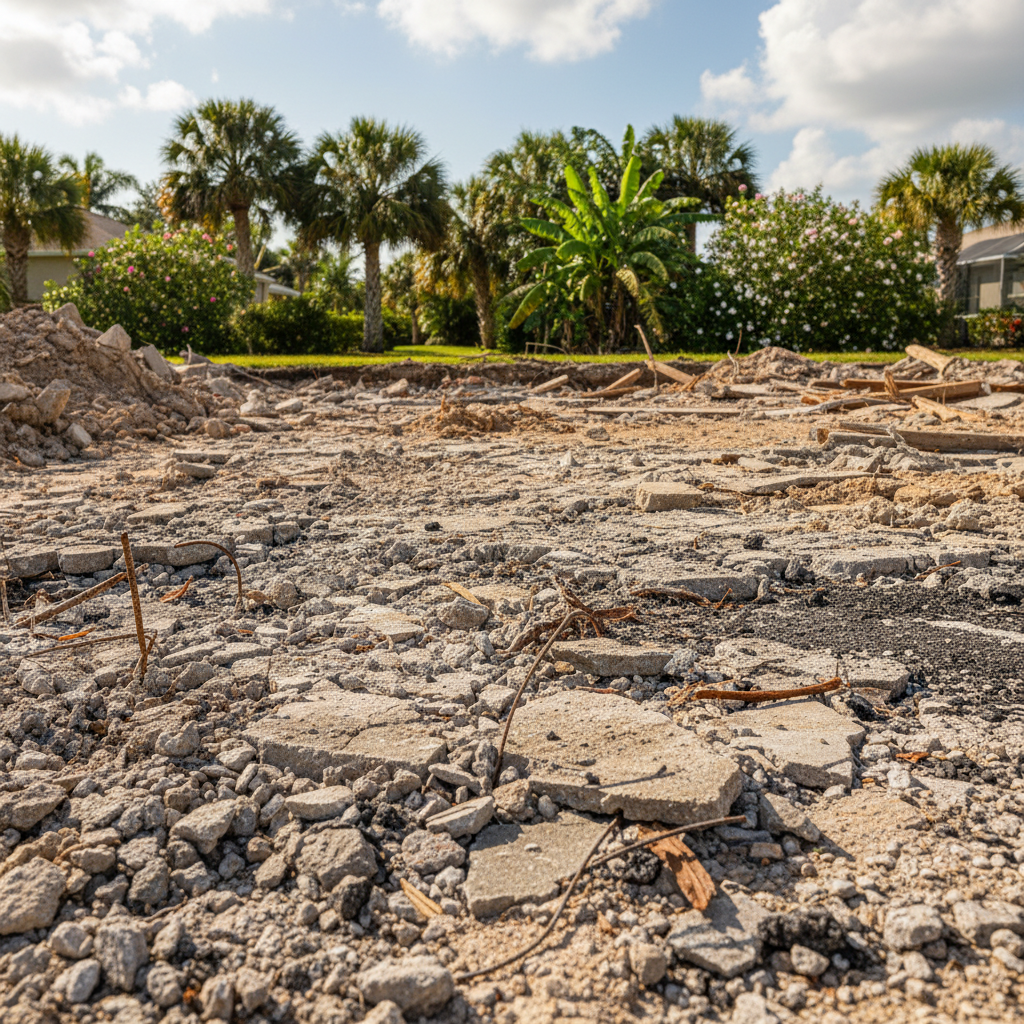
Alright, let's talk about digging. Maybe you're putting in a new pool, running a drainage line, or finally getting that big old tree stump out of your yard. Whatever the reason, if you're moving dirt around your Cape Coral property, you're doing excavation. And honestly, it's not always as simple as it looks on TV.
I've seen plenty of homeowners try to tackle bigger jobs than they should. That's when things get expensive, or worse, dangerous. So, before you even think about breaking ground, let's break down what you really need to know.
Before You Dig: The Absolute Must-Dos
This stage? It's critical, no joke. Skip these steps, and you're just asking for trouble. Seriously, I've seen folks hit water lines, sewer lines, even power cables. It's not pretty, and fixing it definitely isn't cheap.
- Call 811 – Every Single Time: This isn't optional; it's the law. Before any digging, no matter how shallow, you call 811. They'll come out and mark all the underground utilities – electric, gas, water, sewer, communication lines. It's free, and it keeps you safe. Don't assume you know where everything is. Those lines can shift, or maybe you just forgot about that old sprinkler line. Give them a few days' notice, usually 3-5 business days, before you plan to start.
- Check Your Permits: For most significant excavation work, you're going to need a permit from the City of Cape Coral. This includes things like new pools, major landscaping changes, adding a septic system, or even extensive trenching. Don't skip this one. The fines for unpermitted work can be hefty, and you might even have to undo everything you did. Check with the city's building department, or give a local contractor like us at Paradise Demolition a call; we can help you figure out what's required.
- Know Your Soil: We've got a lot of sandy soil here in Cape Coral, which is great for drainage, but it can get pretty unstable when you dig deep. If you're going more than a few feet down, especially if it's a wide trench, you've got to think about shoring or sloping to prevent collapses. That's usually a job for a pro.
- Understand Your Project Scope: Is this a small flower bed, or are you digging a foundation for an addition? Be realistic about what you can handle. A small, shallow trench for a new garden bed? Probably fine to do yourself. Anything deeper than your knees, or wider than a couple of feet, especially near your house's foundation, means you should really be thinking about professional help.
During the Dig: DIY vs. Pro
Okay, you've called 811, got your permits, and you know what you're getting into. Now, who's actually going to do the digging?
When You Can DIY (Small Jobs Only)
For really small projects, like planting a new shrub, installing a mailbox post, or digging a small, shallow trench for low-voltage landscape lighting, you can probably handle it yourself with a shovel and a little elbow grease. Just remember:
- Dig by Hand Near Marked Lines: Even after 811 marks lines, you should always hand-dig within 18-24 inches of those marks. That's called the 'tolerance zone.' You definitely don't want a shovel hitting a gas line, let alone a mini-excavator.
- Wear Proper Gear: Gloves, sturdy boots, and eye protection are a must. You never know what you'll find in the dirt.
- Watch for Water: Our water table in Cape Coral can be pretty high, especially during the rainy season. Dig too deep, and your trench might fill up faster than you can empty it.
When to Call a Pro (Most Jobs)
Look, for anything beyond a small, shallow hole, you really should bring in the experts. Here's why:
- Safety: Professionals have the right equipment and training for shoring, trench safety, and dealing with unexpected conditions. They know how to prevent collapses and work around utilities safely.
- Efficiency: We've got the right machinery – mini-excavators, skid steers, trenchers. What would take you days with a shovel, we can do in hours. This saves you time and a whole lot of back pain.
- Expertise: We understand soil conditions, drainage, and how to grade properly. We know how to handle the unexpected, like finding old concrete or buried debris, which happens more often than you'd think around here.
- Proper Disposal: What do you do with all that extra dirt? We can haul it away for you, or if it's clean fill, sometimes we can even find a place for it to be reused.
- Foundation Work: If you're digging near your home's foundation for any reason – say, to repair a crack or add an extension – you absolutely need a professional. Messing with your foundation can lead to serious structural problems down the road.
After the Dig: Finishing Up
Once the digging is done and whatever you were installing is in place, you still have a few things to consider.
- Backfilling: This is putting the dirt back. Do it in layers, compacting each layer as you go. This prevents settling later on, which can cause uneven surfaces or even damage to what you just installed.
- Grading: Make sure the ground slopes away from your house. You don't want water pooling near your foundation after a good Florida downpour. Proper grading is essential for drainage.
- Clean Up: Get rid of any excess dirt, rocks, or debris. Leave the site tidy and safe.
- Final Inspections: If you pulled a permit, you'll need to schedule final inspections with the city. Don't skip this; it's how they ensure the work was done correctly and to code.
Excavation isn't just about moving dirt; it's about doing it safely, legally, and effectively. If you're ever in doubt, or if the job feels bigger than your shovel, give us a call. We're here to help Cape Coral homeowners get their projects done right, the first time.