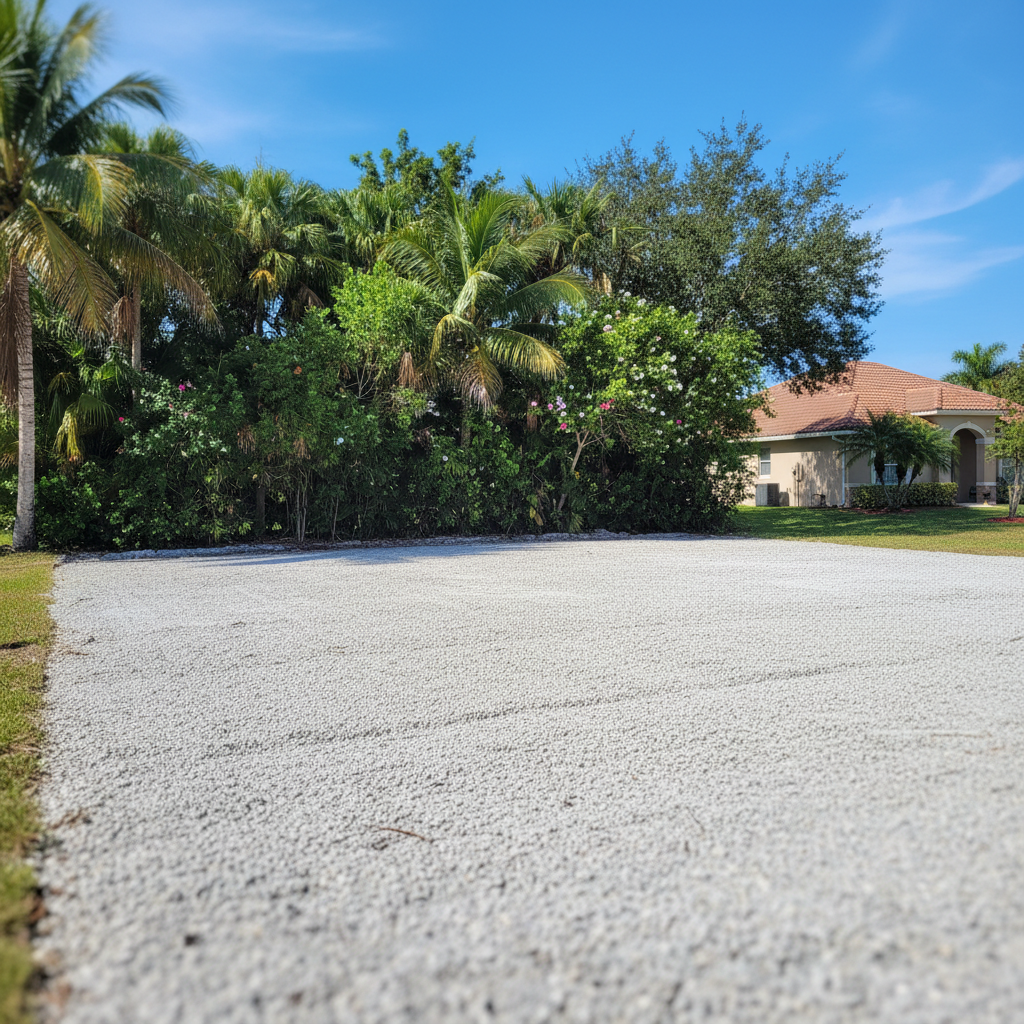
Ever watch a commercial building get torn down along Del Prado and wonder what happens to the lot next? People usually think Demolition ends the second the last concrete slab gets hauled away by Paradise Demolition, but if you own the property, that is actually when the real work starts. Southwest Florida's brutal sun, heavy summer downpours, and sandy soil do not care that you just cleared a site. If you leave a post-demolition lot unattended down here, you are asking for erosion, drainage disasters, and code violations from the city.
Keeping a cleared commercial site stable in Cape Coral takes a little sweat and a smart routine. Here is what you actually need to do to maintain the property and keep things solid.
What Regular Site Maintenance Looks Like Down Here
Our afternoon thunderstorms in the summer will wash away half your property if the grading isn't right. You cannot just walk away from a cleared commercial lot and expect it to stay put.
- Walk the perimeter after every heavy tropical storm to check for pooling water or washouts near neighboring foundations.
- Keep an eye on dust control during the dry season—our wind gusts off the canals can whip up loose dirt fast, and code enforcement hates complaints from nearby businesses.
- Clear out any invasive weeds like torpedo grass that start taking over the disturbed soil before they choke out proper ground cover.
If you had a partial interior gut-out done on a commercial strip mall off Santa Barbara, maintenance looks different. You are checking temporary shoring walls, making sure weather-proofing is tight where exterior walls were opened up, and keeping debris out of the drainage lines.
Warning Signs of Post-Demolition Problems
Nature moves fast in Lee County. You need to keep your eyes open for red flags that mean your site is failing.
Sinkholes and massive depressions are a real thing in our sandy, limestone-heavy ground, especially after heavy machinery has been pounding away on the surface. If you notice a sudden dip in the dirt grade where an old foundation used to be, stop what you are doing. That is not normal settling; that is sub-grade washout.
Another big issue is standing water. If water is sitting on your commercial lot more than 48 hours after a rainstorm, your drainage plan is not cutting it. Standing water breeds mosquitoes by the million down here and will eventually undermine any asphalt or concrete you plan to put down next.
When to Call a Professional Back Out
Property owners can handle basic tasks like pulling weeds or putting up temporary fencing, but some things require heavy equipment and guys who know what they are doing.
If you see major erosion threatening a neighboring property line, do not just dump a bag of dirt in the hole. You need proper grading and compaction. Call us back at Paradise Demolition before the city slaps you with a fine. The same goes for finding unexpected buried debris—like old commercial septic tanks or hidden fuel vaults that sometimes pop up on older Cape Coral parcels. Trying to dig those out yourself is a recipe for disaster.
Taking care of a cleared commercial site is not rocket science, but it does demand attention. Stay ahead of the weather, watch your drainage, and do not hesitate to call in backup when the land starts fighting back.