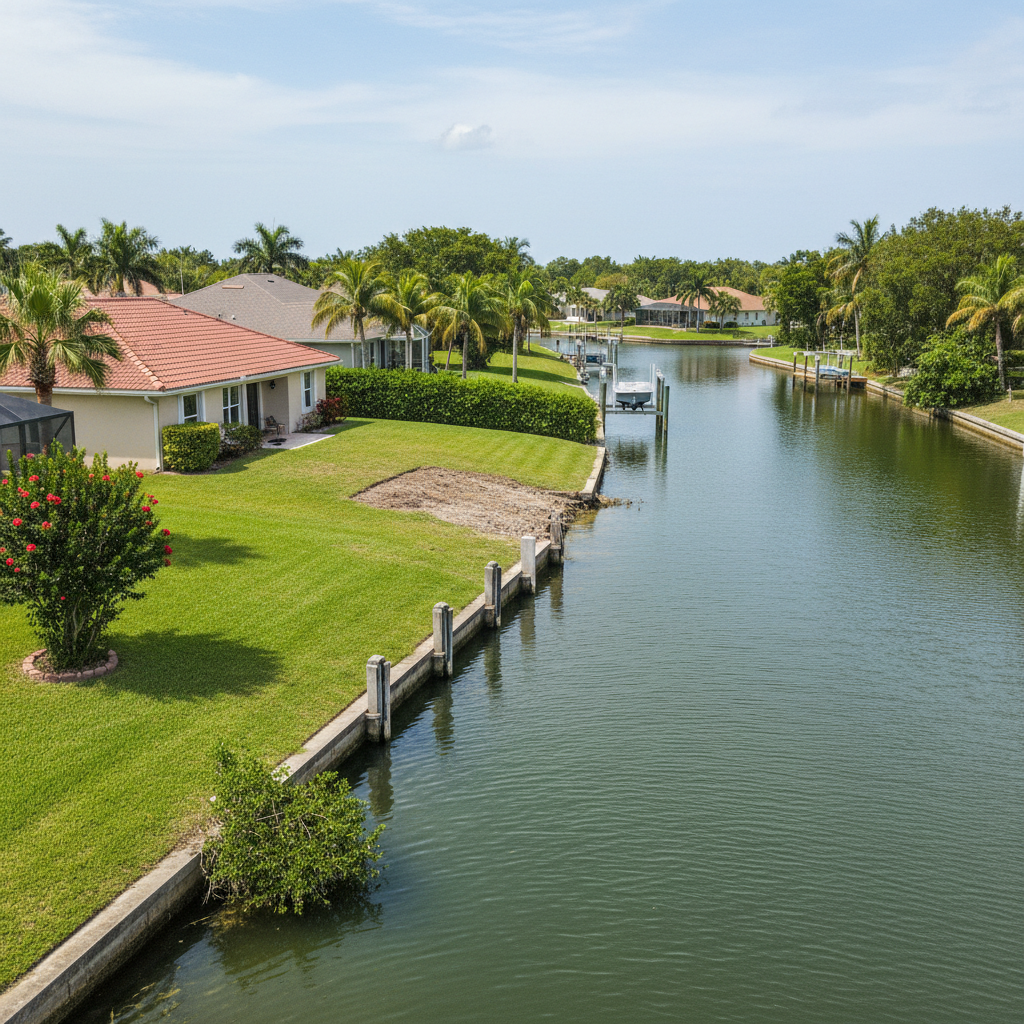
So, you've got an old dock on your property here in Cape Coral, and you're thinking it's time for it to go. Maybe it's seen better days, maybe a storm really messed it up, or perhaps you're just ready for something new. Whatever the reason, taking down a dock isn't like tearing down a shed in your backyard. There's a lot more to it, honestly, and if you don't get it right, you could be looking at some serious headaches.
It's More Than Just Pulling Boards
When I talk to people about dock demolition, they often picture a couple of guys with crowbars, just pulling up planks. And sure, that's part of the job. But that's really just the tip of the iceberg, especially here in Cape Coral. We've got thousands of miles of canals, and every single one of them comes with its own set of challenges and regulations.
First off, you're dealing with water. That means tides, currents, and often, murky visibility. You can't just drop debris into the canal, no way. That's a huge no-no for obvious environmental reasons, and trust me, the city and state are definitely watching. You've got to contain everything, which often means using specialized equipment like barges or even divers to make sure every last piece of wood, metal, or concrete gets accounted for.
Permits, Permits, Permits
This is where a lot of homeowners get tripped up. You can't just decide one Tuesday morning to start tearing down your dock. You need permits. And not just one, either. You're usually looking at permits from the City of Cape Coral, the Florida Department of Environmental Protection (FDEP), and sometimes even the Army Corps of Engineers, especially if you're on a larger waterway or a navigable canal. Each of these agencies has its own rules about what you can remove, how you remove it, and what you can do with the materials afterward.
A good local contractor, like us at Paradise Demolition, knows these agencies inside and out. We know what forms to fill out, who to talk to, and what kind of timelines to expect. Trying to navigate that maze on your own? It can be incredibly frustrating and can delay your project by weeks or even months.
Understanding Local Conditions
Cape Coral's unique environment plays a huge role in dock demolition. We've got a lot of older homes, especially in areas like the Yacht Club or along the main canals, where docks have been standing for decades. These older structures might have different construction methods, materials, and even foundations than newer ones. You might find old treated lumber, concrete pilings, or even steel components that require specific tools and techniques to remove safely.
Then there's the soil. We're on a peninsula, and our soil conditions can vary quite a bit. Some areas have very soft, mucky bottoms, while others are sandier. This affects how pilings are driven and, consequently, how they need to be removed. You can't just yank them out sometimes; you might need to vibrate them loose or even cut them below the mudline. Doing it wrong can damage the canal bank or even your own property.
We also deal with a lot of varying water depths. Some canals are shallow, especially in the freshwater sections, while others are deep enough for larger boats. This impacts the type of equipment we can use and how we approach the demolition. A shallow canal might mean using smaller, more agile equipment, or even doing more work by hand, which takes more time and specialized labor.
Environmental Considerations Are Huge
Our waterways are home to a lot of wildlife. Manatees, dolphins, various fish species, and even protected plants like mangroves are common sights. Any dock demolition project needs to be done with extreme care to avoid disturbing these ecosystems. This often means working within specific timeframes to avoid nesting seasons or migration patterns, and having plans in place to prevent any debris from entering the water.
I've seen projects where folks tried to cut corners, and it ended up costing them way more in fines and environmental remediation than if they'd just hired a professional from the start. It's not just about getting the dock gone; it's about doing it responsibly, you know?
What Happens to the Debris?
Once the dock is down, you can't just throw the materials in your regular trash. Treated lumber, concrete, and metal all need to be disposed of properly. There are specific facilities that handle these materials, and they often have strict requirements for what they'll accept. A local contractor will have established relationships with these disposal sites and know the most efficient and compliant ways to get rid of everything.
So, if you're looking at that old dock and thinking it's time for a change, don't try to tackle it yourself or hire someone who doesn't understand the unique challenges of our Cape Coral environment. Get a local pro who knows the permits, the conditions, and the right way to get the job done safely and cleanly. It'll save you a lot of grief in the long run.